
BA Better World Community Fund – Planet has provided £25,000 of match funding
Donate with Gift Aid
Make your donation go further
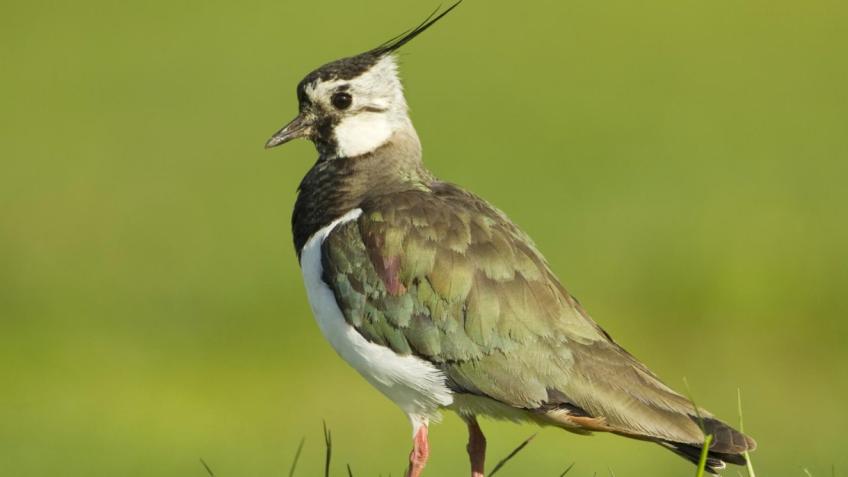
Lapwings on the Upper Thames are on the brink of disappearing. Working with farmers, we will increase breeding site numbers.
Lapwings – also known as Peewits for their distinctive chirruping call - are a much-loved bird of the British land- and sea-scape. Sometimes spotted wheeling through winter skies in dense, black and white flocks, the name Lapwing derives from the flickering effect when the birds are seen massed in flight
Yet Lapwings are now a Red List Species, meaning that they are at risk of extinction. The Upper Thames is an important home to the UK’s remaining inland population, but it is estimated that the local population has declined by over 60% in recent years. Much of this decline is due to habitat loss, as the floodplain meadows on which they depend are ploughed up for arable land or more intensive pasture.
Urgent action now can help ensure future generations can still see this beautiful bird in flight and hear its call.
There is hope. With your help, we can give Lapwings a fighting chance by restoring and protecting their habitat.

We want to continue to see massed flocks of Lapwings flickering across the winter landscape in the Thames Valley and to ensure that future generations can experience the joy of seeing and hearing these beautiful birds in the wild.
Lapwing nest principally on arable fields, in wet pastures and close to open water. Their nests are particularly vulnerable to ground predators and disturbance from farm machinery. Lapwings mainly feed on ground-living invertebrates, including earthworms. They require areas of sparse vegetation during the breeding season to enable them to forage for themselves and their chicks, but also areas of denser, taller grass so that they can hide from predators.
Sadly, the kind of wet pasture and hay meadow where Lapwings thrive have almost disappeared from the Upper Thames since the 1940s due to intensification of agriculture. Climate change is also playing a part, as ponds and seasonal wetlands dry-out during the early summer, meaning Lapwings struggle to find food.
But there is hope. Lapwings can thrive where sustainable farming practices enable the development of grasslands and soils packed with the Lapwings’ favourite earthworms. These soils are also great at storing carbon and can help slow the flow of water during flood events - both extremely important in the fight to protect against the impacts of climate change.
This project will initially help protect and restore an important Lapwing breeding site at Swannybrook Farm in Oxfordshire. By the banks of the River Ock, parts of Swannybrook Farm have already been transformed by the addition of ponds and species-rich grassland. By increasing the area of grassland habitat under management for Lapwings, and by building new ponds and wetland to increase the retention of water in the soil, the project will aim to increase this important local population and help it thrive.
This project will support a localised beneficial change in land use, delivered in partnership with local farmers. This approach will both improve the chances that the local lapwing population will increase, but also signal to other local landowners what can be done to benefit farmland birds in a farmed environment.
Working with farmers and landowners, this project aims to create a mosaic of connected, appropriate habitats for lapwings across Oxfordshire. Main activities:
All photos courtesy of Jamie Thomson.
Trust for Oxfordshire’s Environment
Trust for Oxfordshire’s Environment (ToE) is a not-for-profit organisation and a registered charity (no.1140563) whose purpose is to protect and restore nature in Oxfordshire and the surrounding areas.
ToE is a member of Conservation Collective: a global network of local foundations on a mission to protect and restore the wild places we all know and love. By contributing to this project, you are making a donation to Conservation Collective, and the funds will be restricted for this purpose.
BA Better World Community Fund – Planet has provided £25,000 of match funding

BA Better World Community Fund Colleague Giving 2026 has provided £520 of match funding

Avios Donations has provided £8 of match funding
Funding method
Keep what you raise – this project will receive all pledges made by 12th February 2027 at 11:59pm